Post Author-North Stensgaard
Choosing an appropriate LASIK surgeon represents an important choice that can greatly impact your sight as well as quality of life. With the promise of improved eyesight bypassing the need for glasses and contact lenses, many individuals are considering available options that are available to them. Nevertheless, maneuvering through the field of laser eye surgery may be challenging, especially with the variety of choices and techniques present. Understanding the credentials as well as experience of various surgeons is vital for guaranteeing a safe and successful operation.
Lately, advancements in LASIK technology, such as bladeless techniques, have revolutionized the landscape of laser eye surgery. Proficient LASIK doctors are better better equipped to customize procedures to satisfy individual needs, enhancing both results along with client comfort. If you is seeking a laser eye surgeon to fix myopia, hyperopia, as well as irregular vision, understanding the qualities to look for in a surgeon is beneficial for making make an informed choice to ultimately achieve the vision one want.
Grasping LASIK Surgery
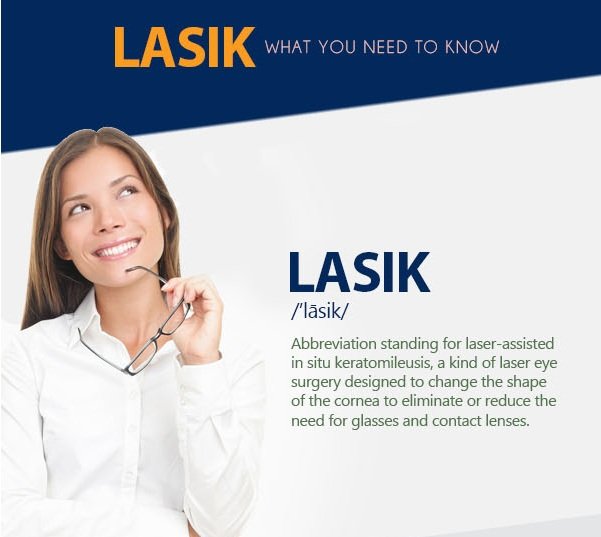
Laser-Assisted In Situ Keratomileusis, or Laser-Assisted In Situ Keratomileusis, serves as a popular vision-correcting eye surgery designed to correct common vision problems such as nearsightedness, hyperopia, and astigmatism. The operation involves modifying the cornea, which is the transparent front section of the eye, using precise laser technology. This reshaping enables light to be properly focused on the retina, leading to enhanced vision without the requirement for glasses or contact lenses. Many patients experience significant visual improvement immediately after the surgery, making LASIK a preferred option for those looking for freedom from corrective eyewear.
The procedure typically starts with a thorough consultation with an experienced LASIK surgeon. During this evaluation, various tests will be conducted to ascertain if the patient is a good candidate for surgery. Factors considered include the thickness of the cornea, the general health of the eyes, and any pre-existing conditions. An proficient LASIK surgeon will clarify the risks and benefits and help set realistic expectations for the outcome of the surgery. It is essential to select a surgeon with a demonstrated track record and experience in the LASIK procedure to ensure optimal results.
One of the advancements in LASIK technology is the development of bladeless LASIK, which makes use of a femtosecond laser to form a corneal flap without the requirement of a traditional surgical blade. This method often results in greater precision and potentially a quicker recovery time. Patients might find the bladeless approach to be more comfortable and less intimidating. As laser eye surgery continues to advance, understanding the different techniques and choosing the right surgeon can significantly impact the total experience and outcome for people thinking about LASIK.
Choosing the Best LASIK Surgeon
While considering LASIK surgery, selecting the best surgeon is vital for ensuring a safe and successful procedure. Begin by looking for an skilled LASIK surgeon who has a proven track record of effective surgeries. Search for credentials, certifications, and feedback from former patients. A competent surgeon will not only possess the newest technical expertise but will also grasp the details of each unique case.
It is also important to ask whether the surgeon utilizes innovative technology, such as all-laser LASIK techniques. Bladeless procedures often provide greater precision and a more pleasant experience for the patient. Studying https://mgyb.co/s/ySPgG and methodologies used by the surgeon can provide insight into their commitment to employing the best practices in the field of laser eye surgery.
Finally, think about the surgeon's approach to patient care. A kind and attentive laser eye surgeon will take the time to address your concerns and resolve any concerns you may have. A thorough consultation process can reveal how well the surgeon conveys information and whether they prioritize patient education. The appropriate surgeon should help you feel assured and informed about your decision to opt for LASIK.
No Blade vs. Classic LASIK
Traditional LASIK, often referred to as incision LASIK, utilizes a microkeratome, a surgical instrument with a cutting edge, to create a thin flap in the cornea. please click the next internet page allows the laser surgeon to access the underlying tissue for reshaping to correct refractive errors. While classic LASIK has been performed effectively for many years and is a tried-and-true method, the use of a blade can lead to variability in flap thickness and position, which sometimes raises concerns regarding consistency and reliability.
In contrast, no blade LASIK employs a femtosecond laser to create the corneal flap without the use of a blade. This highly precise technology enables the surgeon to customize the flap according to each patient's unique corneal anatomy. The advantages of no blade LASIK include increased accuracy, reduced risk of complications, and greater comfort during the procedure. Many patients report a quicker recovery time and reduced discomfort after surgery compared to classic LASIK.
Choosing between no blade and classic LASIK often comes down to personal preference and specific eye conditions. It's essential for patients to consult with an experienced LASIK surgeon who can assess their individual needs and provide insights into the most suitable technique. Regardless of the method chosen, both options have the potential to significantly improve vision and enhance the quality of life for those seeking to reduce their dependence on glasses or contact lenses.
A Future of Laser Eye Surgery
The field of laser eye surgery is on the brink of promising advancements as ongoing research and innovative innovations continue to evolve. With the emergence of artificial intelligence and machine learning, the future promises the prospect of even more precise surgical planning and improved patient outcomes. These technologies can analyze large amounts of data from previous surgeries, helping Lasik surgeons make well-informed decisions tailored particularly to individual patient needs.
Moreover, the creation of new laser systems is likely to offer greater safety and efficacy. Bladeless Lasik procedures, which are already gaining popularity, are expected to become more refined, reducing discomfort and recovery times even more. As these technologies become more accessible, patients can look toward to quicker procedures and faster visual recovery, transforming the complete experience for those seeking improved vision.
As we look ahead, the integration of less invasive techniques and continuous improvements in patient care will redefine laser eye surgery. More experienced Lasik surgeons will arise who specialize in these advanced procedures, guaranteeing that patients receive the highest standard of care. With these innovations, the vision of perfect vision will become ever attainable for many, fostering enhanced confidence and satisfaction among those who choose laser eye surgery.